Trauma, Childhood Trauma & Addiction
Trauma and addiction are different experiences, but research shows there can be a connection between difficult or traumatic experiences and the ways we learn to cope. Understanding these patterns can be a useful starting point in recognising what may be happening underneath.
Trauma
Trauma & Childhood Trauma
Trauma can come from many different experiences. It may be something that happened once, or experiences that continued over months or years. Sometimes trauma begins in childhood and we do not fully recognise its impact until much later in life.
Trauma can include childhood abuse or neglect, sexual abuse, physical or emotional abuse, domestic abuse, coercive or controlling relationships, bullying, abandonment, bereavement, witnessing violence, difficult family relationships or growing up in an environment where you did not feel safe, heard or protected.
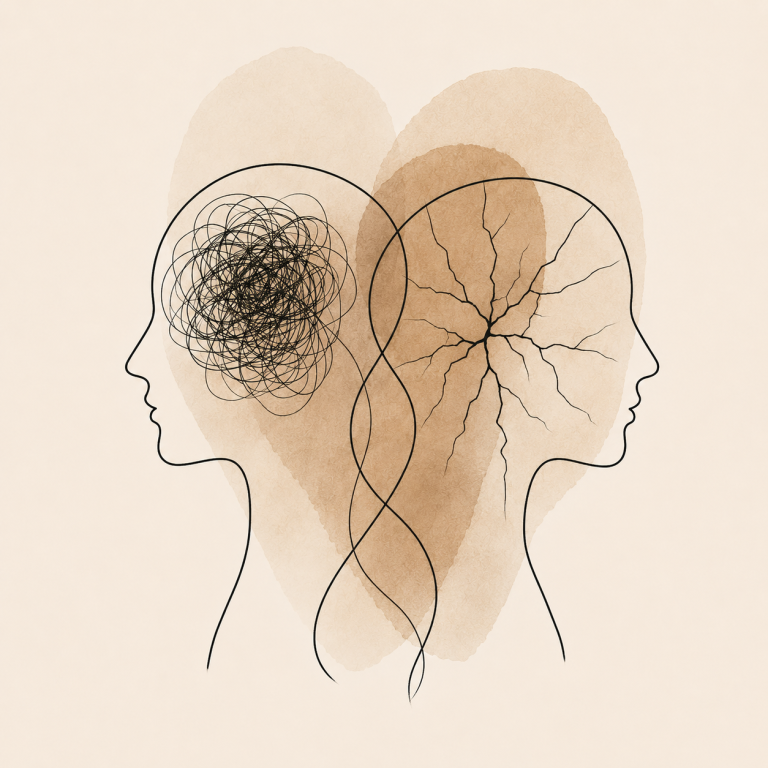
Not everyone who has experienced trauma will respond in the same way. You might experience anxiety, low mood, anger, shame, difficulties trusting people, problems in relationships, upsetting memories, feeling constantly on edge or feeling disconnected from yourself and others.
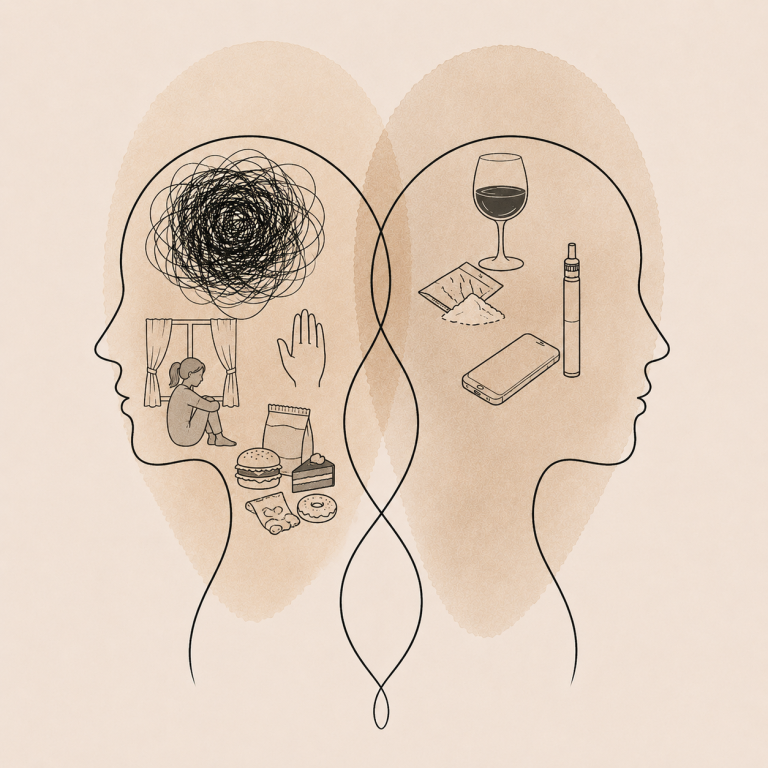
Sometimes the impact is less obvious. You may notice patterns such as people-pleasing, shutting down, struggling with boundaries, needing to feel in control or using alcohol, substances, food or other behaviours to cope with difficult feelings.
Counselling can help you begin to understand what happened to you, how it may still be affecting you today and why some of the ways you learned to cope were needed at the time. We work gently and at your pace. You do not have to talk about anything before you feel ready.
Experience that informs my work
My approach is shaped by over 20 years' combined experience across NHS, criminal justice, education, addiction and community settings. I've supported adults and young people whose lives have been affected by trauma, difficult childhood experiences, abuse, relationships and different ways of coping.
Addiction
Addiction is not always about alcohol or drugs. Sometimes the things we turn to for comfort, escape or relief can gradually become difficult to control.
This can include alcohol, drugs, food, gambling, sex, shopping, social media or other behaviours. It can also show up through avoidance, isolation, withdrawing from other people or repeatedly doing something even when you know it is having a negative impact on your life.
Often, there is more underneath addiction than the behaviour itself. Difficult childhood experiences, trauma, abuse, loss, relationships, anxiety, low mood, shame or feeling overwhelmed can all influence the ways we learn to cope.
Something that once helped you switch off, numb difficult feelings, feel in control or simply get through the day can eventually begin to cause problems of its own.
Counselling is not about judging you or simply telling you to stop. We can explore what the behaviour is doing for you, what might be underneath it and what happens when you try not to use it. From there, we can begin to understand your triggers, patterns and emotions and work towards healthier ways of coping.
Whether you are questioning your relationship with something, trying to make changes, in recovery, or worried about slipping back into old patterns, you do not have to wait until things reach crisis point before asking for support.
If you need urgent support
Evoak Counselling is not an emergency, crisis or medical detox service. Suddenly stopping alcohol or some drugs can be dangerous if you have become physically dependent, so please seek medical advice rather than trying to manage withdrawal alone.
For urgent support, you can call NHS 111, contact your GP or attend your nearest A&E. If you are in immediate danger or experiencing a medical emergency, call 999.
If you are struggling emotionally or feel unable to keep yourself safe, you can also contact Samaritans free on 116 123, 24 hours a day